Clay and concrete tile can last 50 years or more, but the felt underlayment under it can't. Once that felt dries out, cracks or tears, water that gets past the tiles goes straight into the roof deck, and the roof leaks even though the tiles look fine.
Why it's common here Many tile roofs in Woodland Hills went on between the 1960s and the 1990s, so their original underlayment is 30–50 years old. Years of 100°F+ summers bake the felt brittle, and the gap between summer heat and 30°F winter nights works it loose at the laps and penetrations. Because almost all of our rain falls in a few months, a failed membrane can go unnoticed through a long dry season. Then the first atmospheric-river storm puts water through it all at once. A lot of homeowners don't know a lift-and-relay can save their existing tile.
Signs you'll notice - Ceiling stains after the first heavy rain of the season
- Musty smell in the attic
- Daylight or brittle, crumbling felt visible from the attic
- Slipped or cracked tiles near valleys and hips
- Rotted fascia or rafter tails at the eaves
- Leaks that come back after spot repairs
Local patterns Very common on Spanish and Mediterranean homes in Serrania, Walnut Acres and Woodland Hills Estates, and on 1980s–2000s concrete tile in Warner Center communities. Calls spike from November to March, usually right after the first big storm.
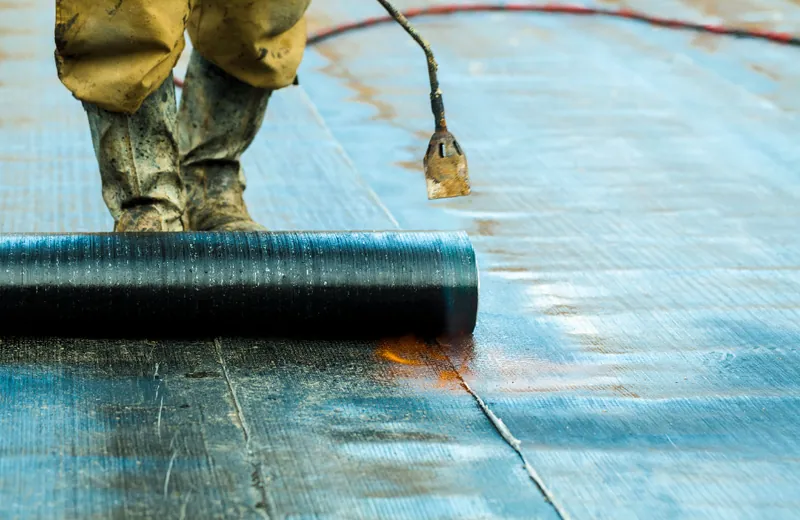
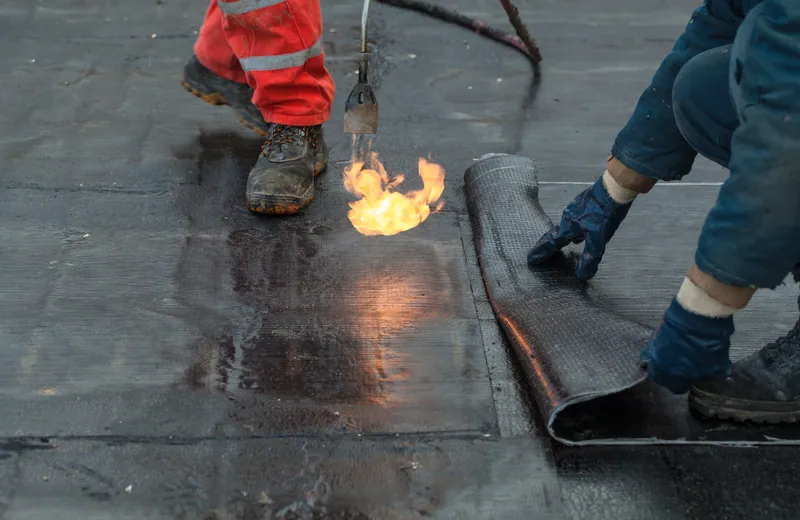
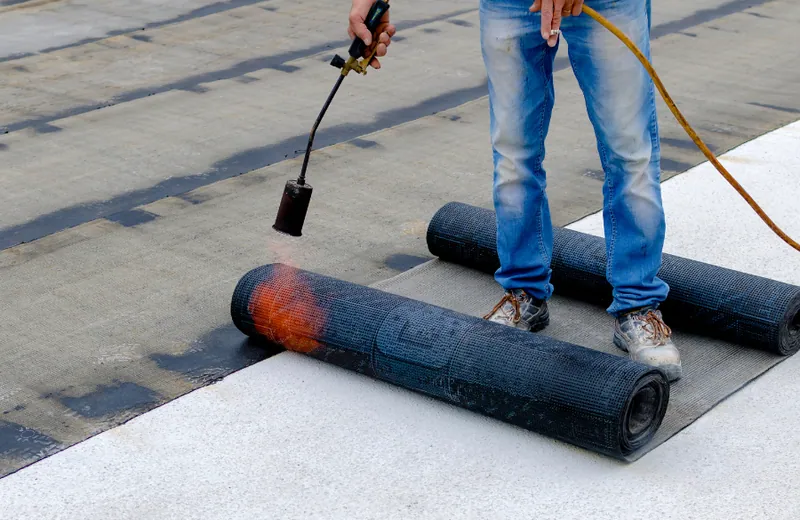
Our fix: A tile lift-and-relay. We remove the tile, repair the deck, install new high-temperature underlayment and flashing, and then reset your original tile, replacing any broken pieces.